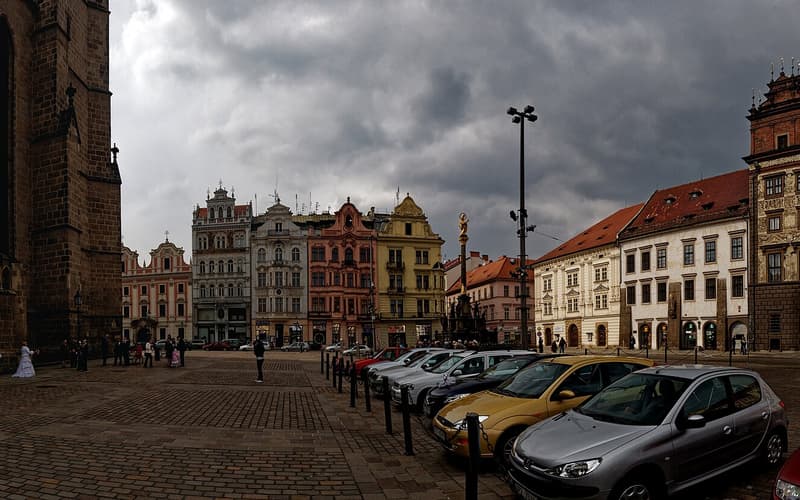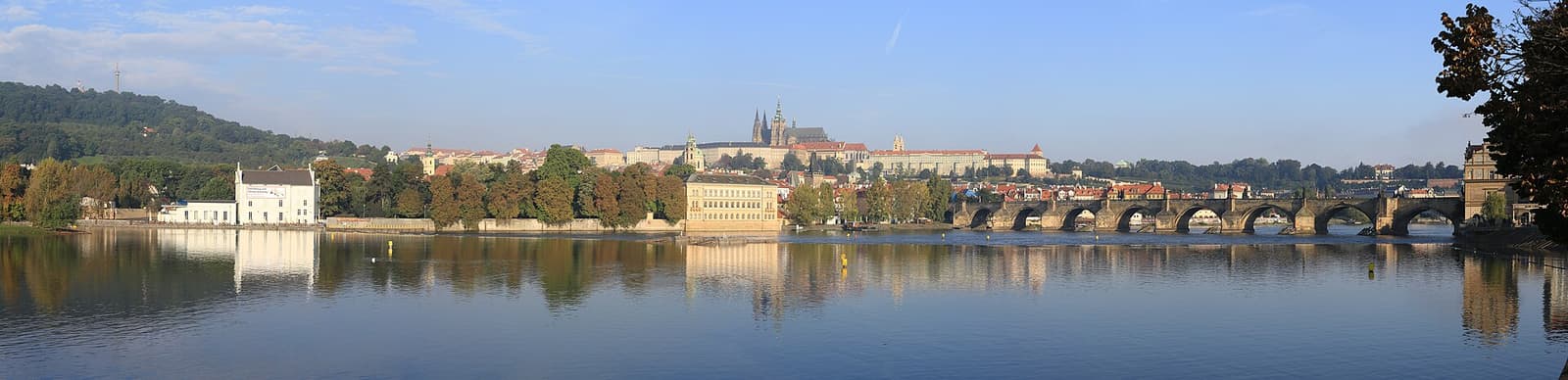
Prague grew up on both banks of the Vltava under the protection of two castles, and its centre came through the twentieth century largely undamaged. The historic core is a UNESCO World Heritage Site: Gothic towers, Baroque palaces and Art Nouveau facades stand side by side, and most of it can be crossed on foot in an hour.
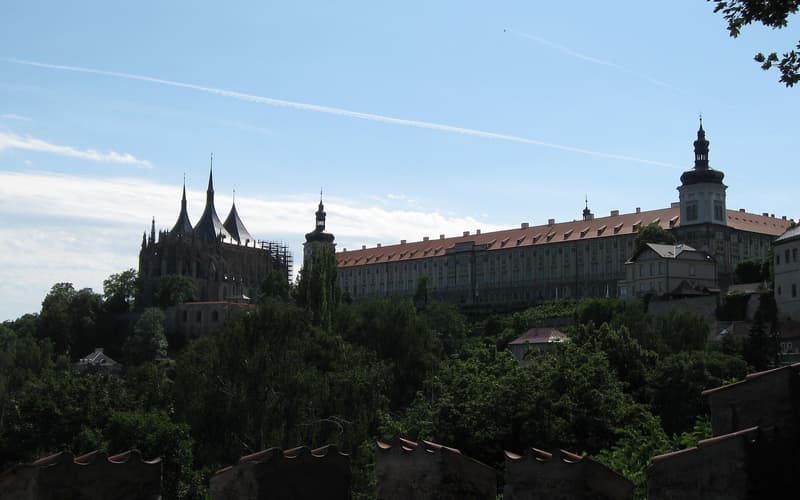
It is also a real working capital with excellent public transport, serious music and art, and a beer culture worth a trip of its own. Stay a few days, then use it as a springboard: Kutná Hora, Plzeň, Karlovy Vary and Český Krumlov are all practical day trips.
Highlights
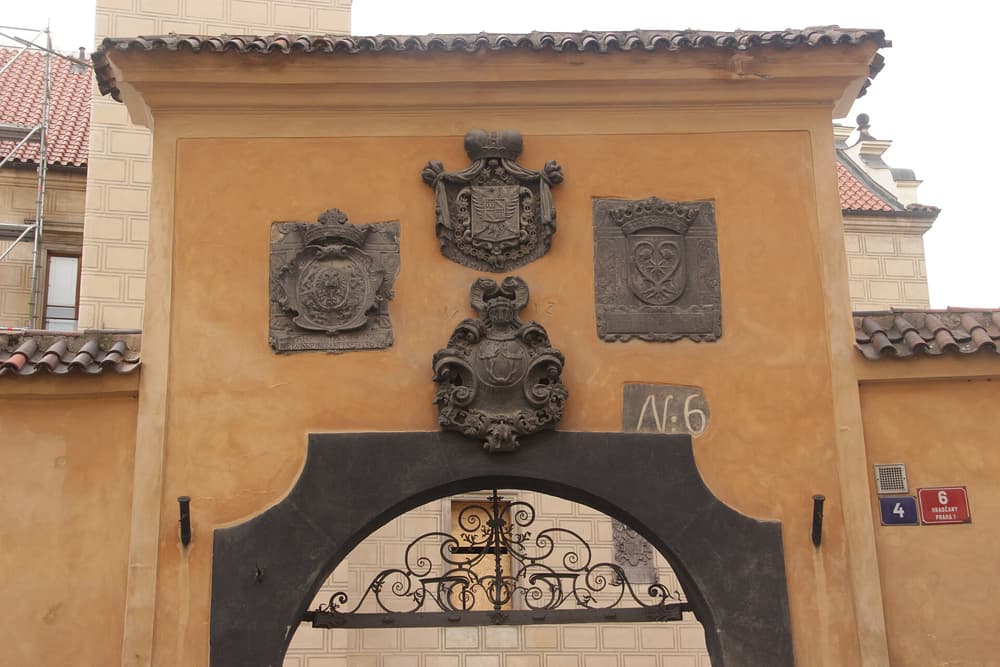
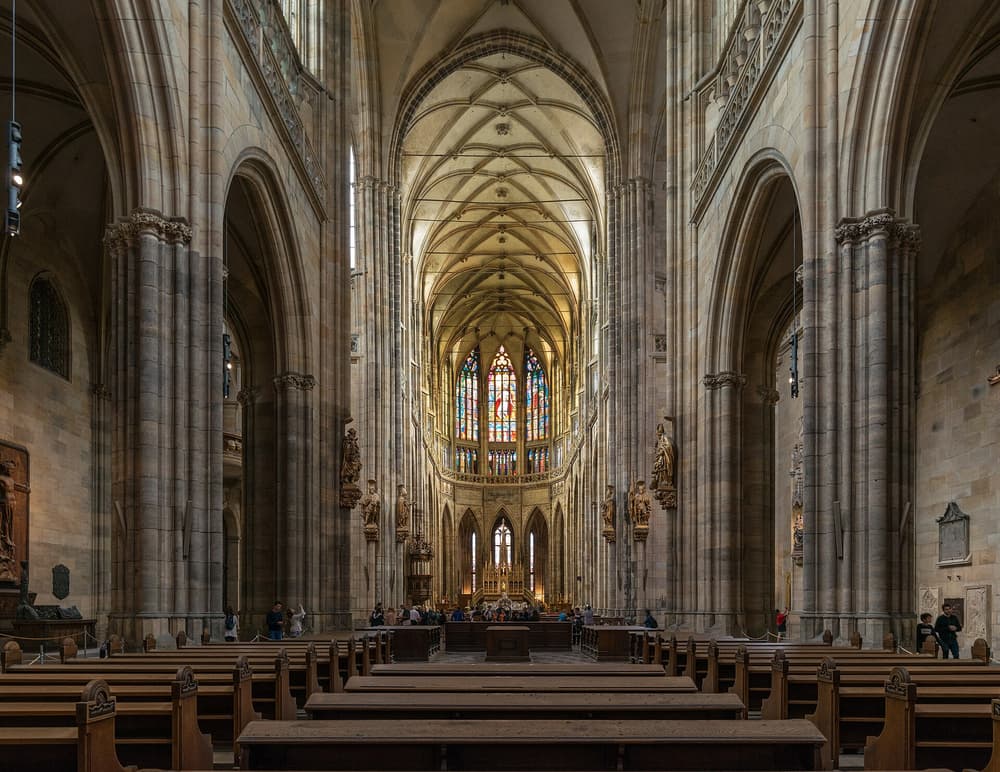
- Prague Castle: a huge hilltop complex with St Vitus Cathedral, the Old Royal Palace and Golden Lane.
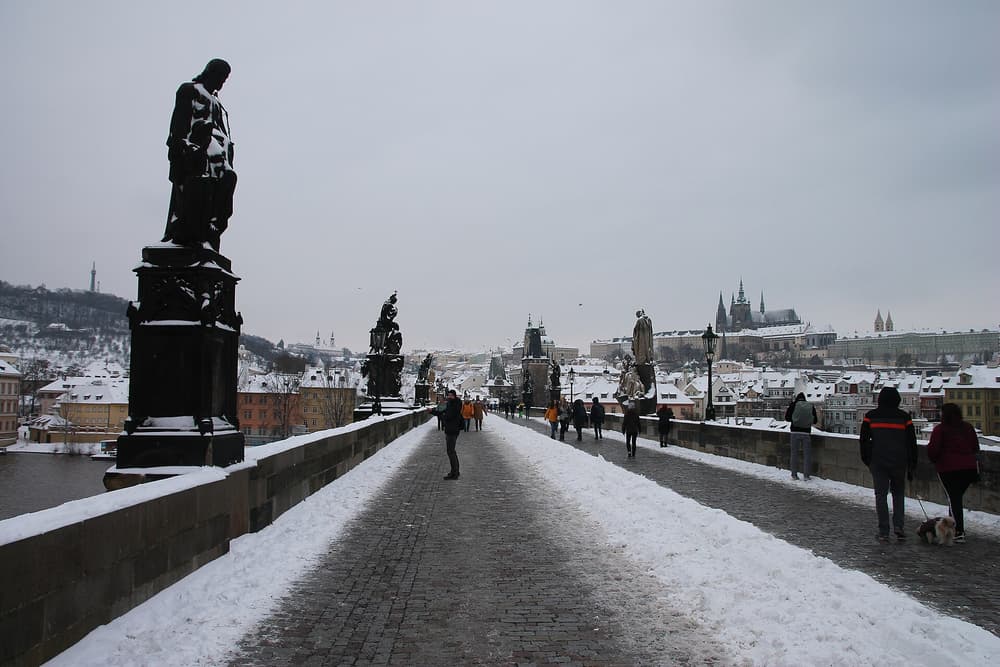
- Charles Bridge: the fourteenth-century stone bridge lined with Baroque statues.
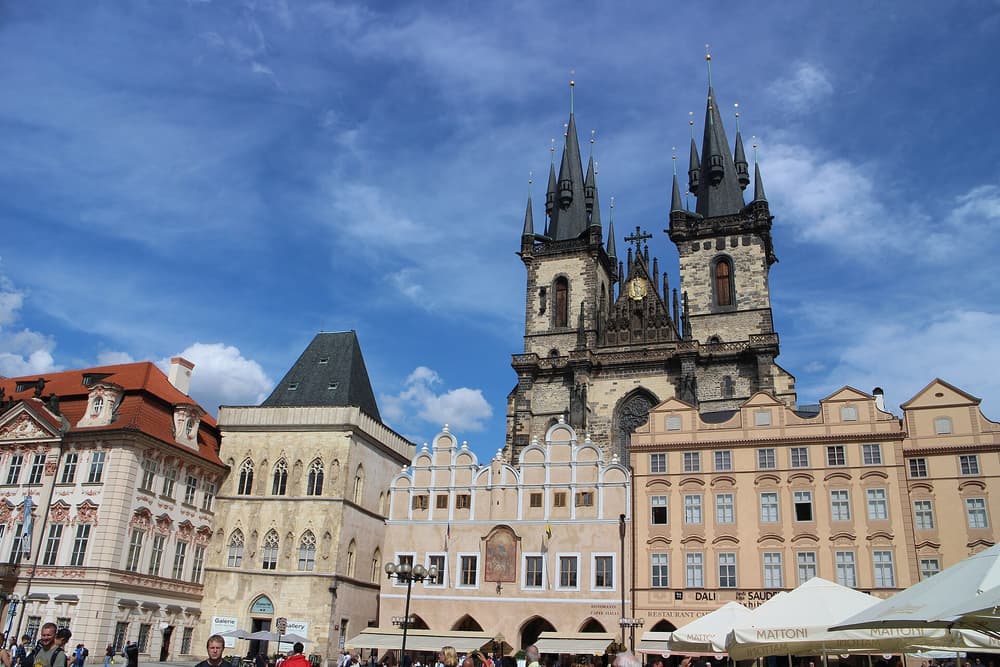
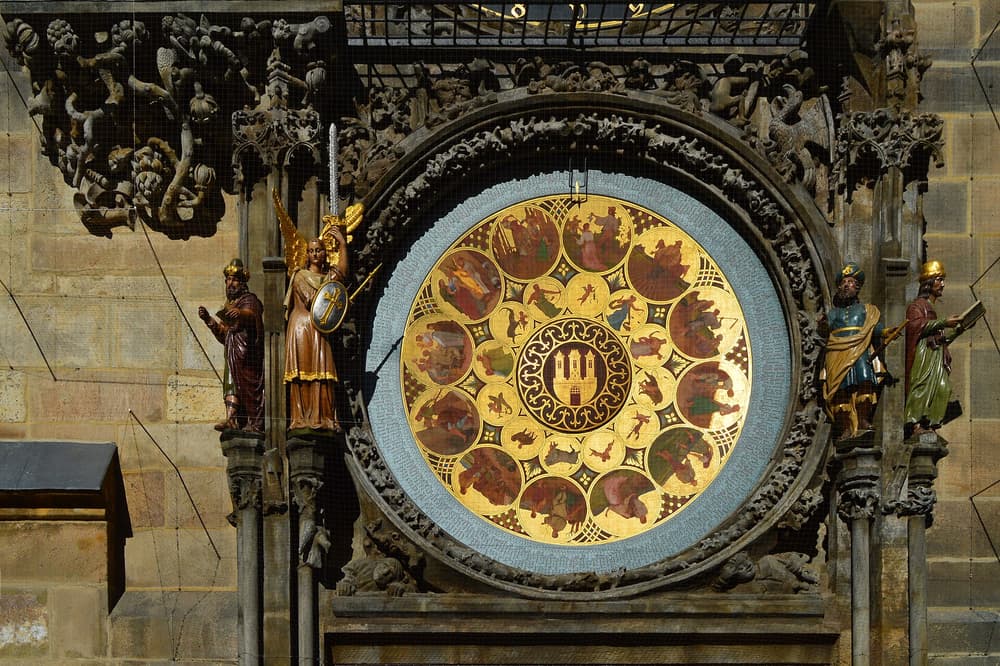
- Old Town Square: the Týn Church, Old Town Hall and the Astronomical Clock.
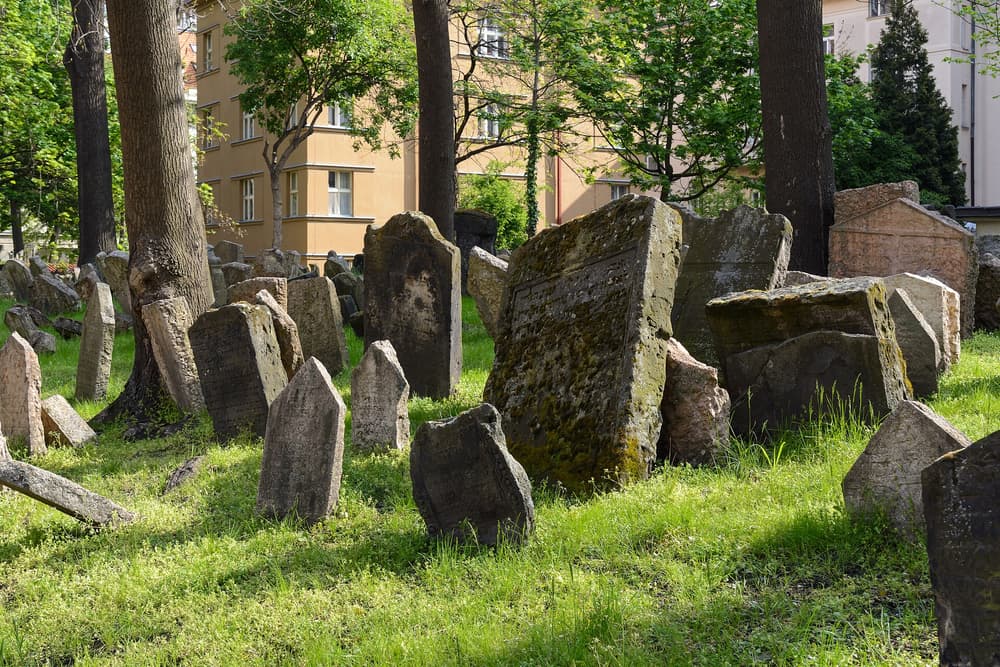
- Josefov: the historic Jewish Quarter, with its synagogues and old cemetery.
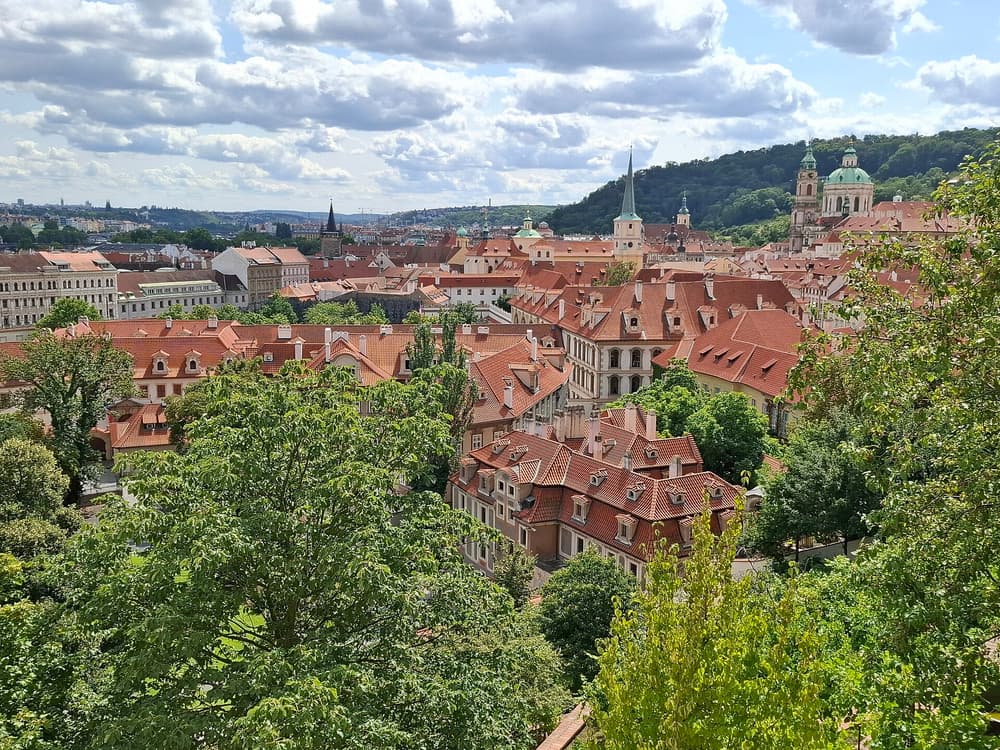
- Malá Strana and Petřín: quiet lanes, palace gardens and the hill with the best views.
- The Vltava: river cruises, pedal boats and riverside beer gardens.
Quick facts
| Where | Central Bohemia, on the Vltava |
|---|---|
| Currency | Czech koruna (CZK) |
| Airport | Václav Havel Prague (PRG), about 17 km from the centre |
| Ideal stay | 3–4 nights, more with day trips |
| Best for | History, architecture, beer, music |
| Getting around | On foot, plus metro, trams and buses |
How long to stay & where to base yourself
Three or four nights covers the main sights at a sensible pace; add a night for each day trip. First-timers usually stay in the Old Town or Malá Strana for the atmosphere, or the New Town for better value and transport. Vinohrady and Karlín feel more local, with good cafes and restaurants a few tram stops out.