Czechia is an easy, safe and good-value country to travel in. Here are the practical basics.
Entry and visas
Czechia is in the EU and the Schengen Area. EU and EEA citizens can enter with a passport or national ID. Many other nationalities can visit visa-free for short stays, while others need a Schengen visa. The EU’s new entry systems may affect the process for non-EU visitors. Rules change, so check with your government or the Czech Ministry of Foreign Affairs before you go.
Money and costs
The currency is the Czech koruna (CZK), also called the crown. Cards are accepted almost everywhere, including contactless, but carry a little cash for small places. Withdraw from bank ATMs, and always choose to be charged in koruna rather than your home currency. Avoid street exchange offices.
| Style | Outside Prague | Prague |
|---|---|---|
| Budget (hostel, pub food, trains) | Around €50–70 | Around €60–80 |
| Mid-range (hotel, restaurants, a tour) | Around €100–150 | Around €120–180 |
| Comfortable (good hotels, private tours) | Around €200+ | Around €250+ |
These are rough estimates. Check current prices.
Safety
Czechia is one of the safest countries in Europe. Watch for pickpockets in busy parts of Prague and on public transport, use official taxis or apps, and check restaurant bills. The emergency number is 112.
Etiquette
Say dobrý den (good day) when entering small shops. Tipping about 10% is usual in restaurants, and in pubs people often round up. Remove your hat in churches. Keep voices low on public transport. In pubs, a beer mat placed in front of you often means another round is coming: ask if you are not sure.
Language
Czech is the official language. English is widely spoken in tourist areas and among younger people; German is useful in some regions. A few words go a long way: děkuji (thank you), prosím (please), na zdraví (cheers).
Connectivity and electricity
Mobile coverage is good, and EU roaming rules apply for EU SIMs. Wi-Fi is common in hotels and cafes. Sockets are type E, 230 V.
Health
Healthcare is good. EU visitors should carry an EHIC; everyone else needs travel insurance. Tap water is safe. If you are hiking from spring to autumn, take precautions against ticks.
Packing
Bring shoes with grip for the cobbles, layers for changeable weather, a light rain jacket, and warm clothes for winter. Churches and cellars can be chilly even in summer.
Accessibility
Cobbles, steps and historic buildings can be difficult. Newer metro stations and low-floor trams help in Prague, but check step-free routes in advance.
Food and drink
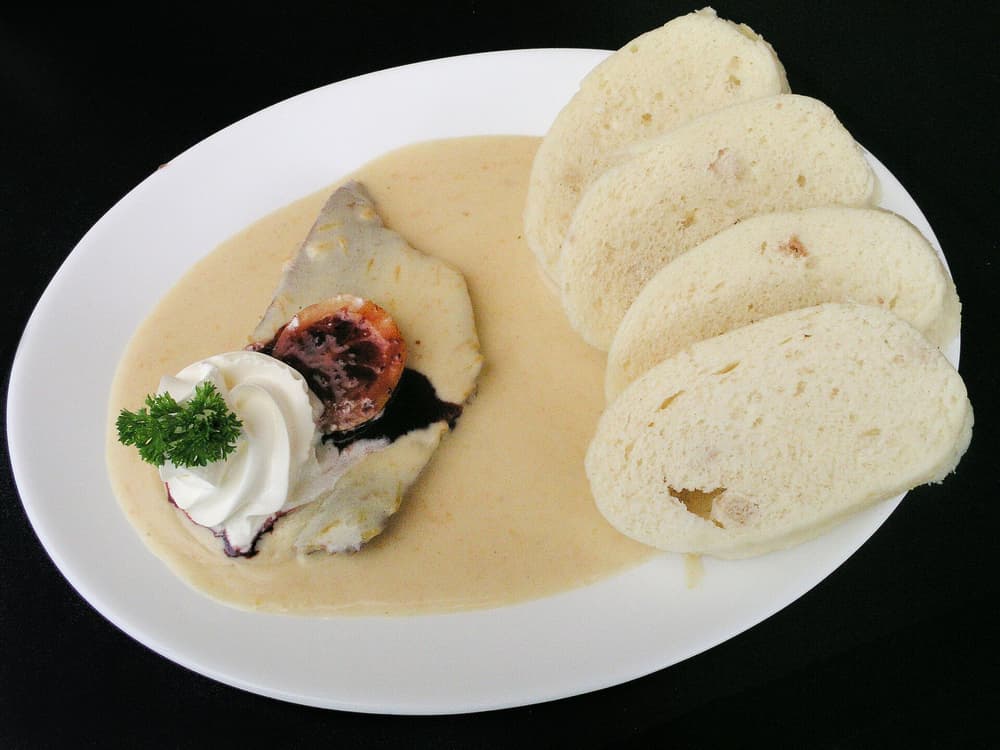
Czech cooking is hearty: roast pork with dumplings and cabbage, svíčková, goulash and fried cheese. Lunch menus are excellent value. Czechs have long ranked among the world’s biggest beer drinkers, and Moravia produces very good white wines. Vegetarian options are improving, particularly in cities.